Bump the lamp
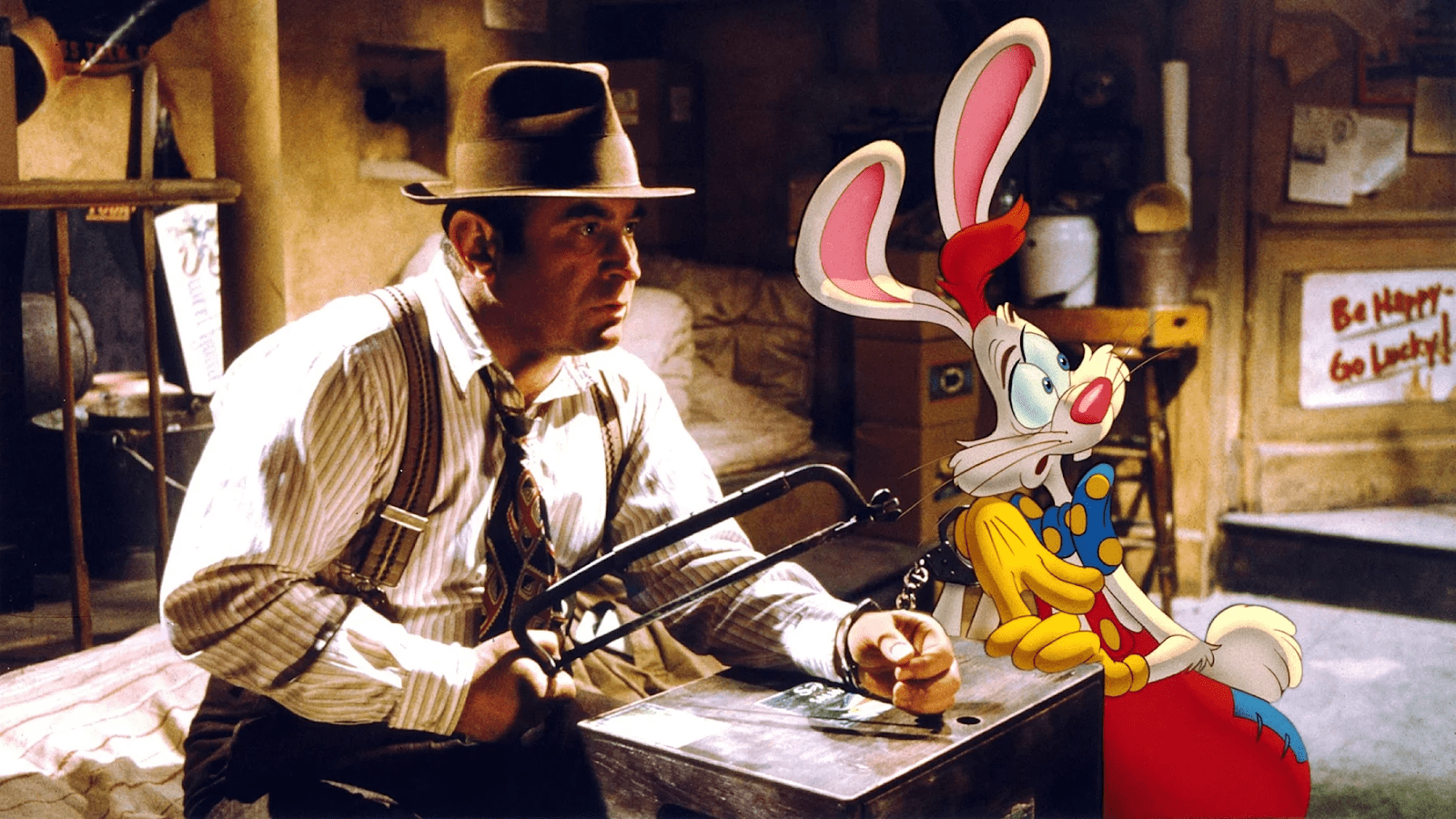
I must have been nine or ten years old when I first saw Who Framed Roger Rabbit? Like most kids, I was mesmerized by the chaos of it all—the slapstick humor, the cartoon characters literally bouncing off the walls of the real world, Eddie Valiant’s grumpy demeanor contrasting with Roger’s manic energy. I loved every frame of it. To this day, it remains one of my favorite animated movies. As a child though, what I didn’t notice the great detail that went into making Roger Rabbit feel real in that live-action world.
There’s a scene where Eddie drags Roger into a back room to saw off a pair of handcuffs. As they struggle, Eddie keeps hitting his head on a hanging lamp, sending it swinging wildly. The light careens around the room, and with it, every shadow shifts. Including Roger’s. Frame by frame, the animators redrew Roger with the light and shadow hitting him from different angles, casting realistic shadows that matched the lamp’s movement exactly.
Here’s the kicker: no one would have noticed if they hadn’t done it. This was 1988. Audiences had no expectations for that level of detail in animation. The animators could have taken a shortcut. They could have kept Roger’s lighting static, or simplified the shadows. It wouldn’t have hurt the box office. Kids like me would have loved it just the same. But they did it anyway.
According to Disney lore, when director Robert Zemeckis added the lamp gag after seeing an early cut, the animators didn’t complain about the exponentially increased workload. They embraced it. They saw an opportunity to make something extraordinary, even if most people watching would never consciously register their effort. They “bumped the lamp” - they went the extra mile on a detail that mattered to them, regardless of whether anyone would notice.
Years later, when I learned about this story, it hit me differently than it might have otherwise. Because I was that kid who didn’t notice. And yet, somehow, that attention to detail seeped into my experience. It made Roger feel like he was really there in that room. It made the whole movie feel more alive, more magical, more real—even though I couldn’t have told you why.
That’s the thing about bumping the lamp. It’s not about getting credit. It’s not about measurable ROI or checking boxes on a requirements list. It’s about integrity in your work. It’s about the quiet satisfaction of knowing that the thing you made is as good as you could make it, even in the parts no one will see.
The lesson of bumping the lamp isn’t about obsessing over every pixel or spending months polishing details that don’t matter. It’s about recognizing when something is worth the extra effort because it matters to you. Because you’re the kind of person who cares. Because the work you put into the world is a reflection of who you are.
Don’t skip it. Bump the lamp. Because you’ll know. And in the end, that’s what matters most.